- The short version, region by region
- Rajasthan and the Golden Triangle
- The south and Goa
- Kashmir — the opposite season
- Ladakh — a narrow window
- Month by month — where to go when
- Festivals worth planning around
- Delhi air quality
- When it is cheaper, and when it peaks
- How far ahead to book
- What the monsoon actually means
- Frequently asked questions
India is enormous — very nearly a subcontinent — so there is no single answer to the question of when to go. The best time for the desert of Rajasthan is not the best time for the beaches of Goa, and neither is the best time for the mountains of Ladakh. Below is the picture region by region, so you can match your trip to the season rather than the other way round.
The short version, region by region
| Region | Best | Acceptable | Avoid |
|---|---|---|---|
| Rajasthan and the Golden Triangle | Nov–Mar | Oct | Apr–Jun (heat) |
| Goa and the south | Nov–Mar | Oct | Jun–Sep (monsoon) |
| Kashmir | Apr–Oct | Mar | Dec–Feb (snow) |
| Ladakh | Jun–Sep | May | Nov–Apr (passes closed) |
| Nepal | Oct–Nov, Mar–Apr | Dec–Feb | Jun–Sep (monsoon) |
If you take only one thing from this table, take this: the classic India of the Taj Mahal and Rajasthan is a winter destination, while the mountains are a summer one. Trying to do both in a single trip rarely works.
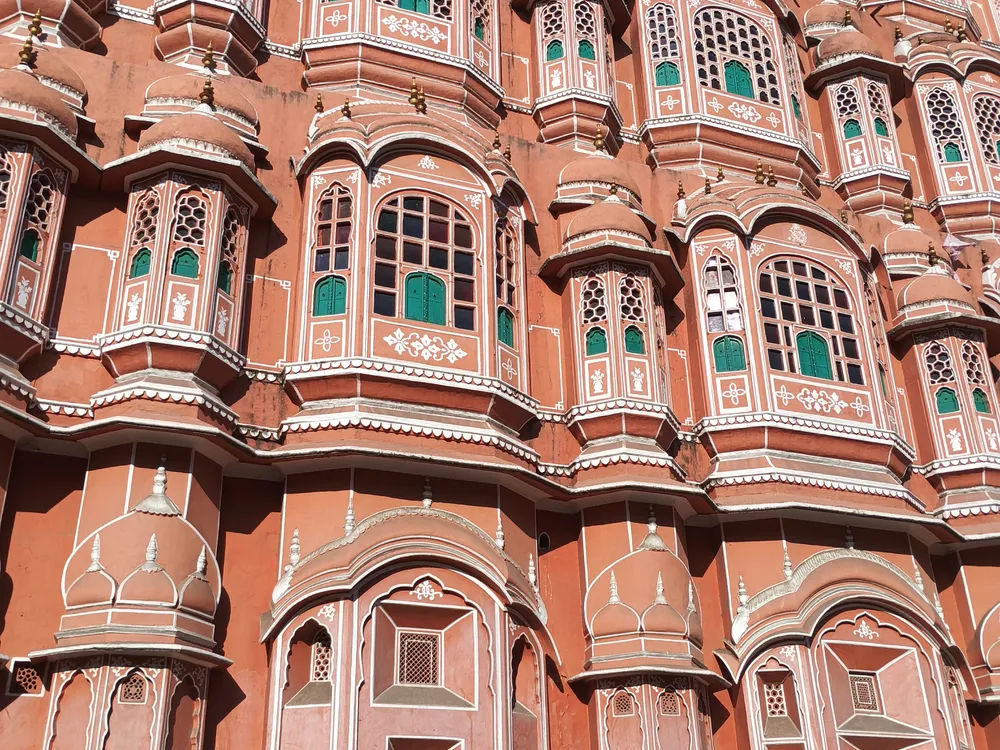
Rajasthan and the Golden Triangle
The season runs from November to March, and February is close to ideal: warm days, cool evenings, clear light for photographs. From April the heat builds quickly, and by May and June daytime temperatures in the desert make sightseeing genuinely unpleasant. December and January are lovely by day but can be cold in the early morning, and Delhi is prone to winter fog that occasionally delays flights.
The south and Goa
For the beaches of Goa and the southern states, aim for November to March: warm, dry and sunny, exactly right for swimming and for slowing down. In summer, roughly June to September, the south sits under the monsoon. It is green and photogenic, but the rain is heavy enough to make a sightseeing itinerary frustrating.
If you are spending a longer holiday on Goa, that same season is the best window for short trips inland: the Golden Triangle is within reach, and so are the ruins of Hampi.
Have your dates but not your destination? Tell us when you can travel and we will tell you honestly which regions will be at their best — and which to leave for another year.
Ask about a tripKashmir — the opposite season
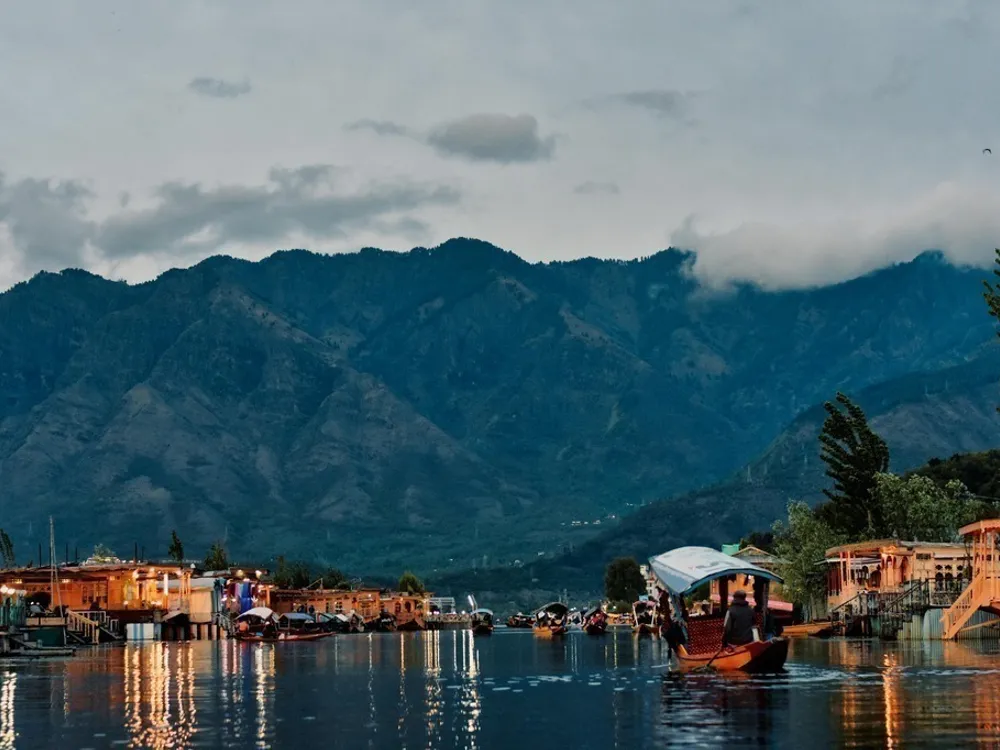
Kashmir works in reverse to the rest of the country. Its season runs from April to October, precisely when Rajasthan is too hot to enjoy. Spring brings the tulip garden in Srinagar and meadows in flower; summer is pleasantly mild while the plains bake. In winter the valley is under snow and most of the sightseeing programme closes down.
Ladakh — a narrow window
Ladakh has the shortest season of all: June to September. Outside those months the high passes are closed by snow and the region is effectively unreachable by road. Ladakh also happens to be the one part of India where the monsoon works in your favour — it lies in the rain shadow of the Himalaya, so July and August are dry and clear there while the rest of the country is under water.
Month by month — where to go when
If your leave is already fixed and the question is not "when should I go" but "what can I do in my window", this answers it directly:
| Month | Where it works | Notes |
|---|---|---|
| January | Rajasthan, Golden Triangle, Goa | Pleasant by day, but mornings can be cold. Delhi is prone to fog and flight delays. |
| February | Rajasthan, Golden Triangle, Varanasi, Goa | In our view the best month for classic India. Warm, dry, clear air. |
| March | Rajasthan, Golden Triangle, Goa | Still very good, though it warms up late in the month. Holi falls here. |
| April | Kashmir (tulips) | The plains are heating up. Kashmir is just opening — orchards and tulips in bloom. |
| May | Kashmir, possibly Ladakh | Rajasthan is out — it can exceed 40°C. Ladakh's passes usually open around now. |
| June | Ladakh, Kashmir | The high-mountain season begins. The rest of the country waits for the monsoon. |
| July | Ladakh, Kashmir | Ladakh sits in the Himalayan rain shadow — dry there while the rest is under water. |
| August | Ladakh, Kashmir | As above. Full monsoon across the plains. |
| September | Ladakh (early), Kashmir, Nepal | The mountain window closes. The monsoon retreats from the plains. |
| October | Golden Triangle, Rajasthan, Nepal | The lowland season opens. Diwali — beautiful, but crowded and pricier. |
| November | Rajasthan, Golden Triangle, Goa | A very good month. One caveat: Delhi air quality (see below). |
| December | Goa, the south, Rajasthan | Excellent in the south. Cold mornings in the north and peak prices around the holidays. |
In short: October to March for the plains, April to September for the mountains. April and May are the only months where a good choice is genuinely hard — the plains are already too hot and the mountains not yet fully open.
Festivals — when they are worth planning around
The Indian festival calendar is largely lunar, so dates shift from year to year and have to be checked for the specific season. They are worth knowing about for two reasons: they can be the strongest experience of the trip, but they also push up prices and crowds.
- Holi (February or March) — the festival of colours, and one of the most recognisable experiences in India. Note that many businesses close on the day and the streets get very intense.
- Diwali (October or November) — the festival of lights, the biggest of the year. Cities look extraordinary, but hotel and domestic flight prices rise sharply, and air quality in large cities suffers afterwards from fireworks.
- Pushkar Camel Fair (November) — the great camel fair of Rajasthan, one of the most photogenic events in the country.
- Tulips in Srinagar (usually April) — Asia's largest tulip garden flowers for only a few weeks, and the exact timing depends on that year's weather.
Delhi air quality — the factor few guides mention
This is worth stating honestly, and most guides skip it. From late October through December, air quality in Delhi and the surrounding region can be very poor. It is a combination of crop burning in neighbouring states, still air, and fireworks around Diwali.
What does that mean in practice? For most travellers, a few days of reduced visibility and a scratchy throat, and nothing more. For anyone with asthma or a respiratory condition it is a genuine reason to consider different dates. If that applies to you, tell us plainly at the planning stage — January, February and March are markedly better, and Rajasthan is at its best then anyway.
When it is cheaper, and when it peaks
Timing affects the budget as well as the weather, mainly through airfares — the programme on the ground is far more stable.
- Most expensive: 20 December to early January. Peak season in northern India coinciding with the European holidays. A seasonal supplement of 200 € applies to the programme, and flights can cost twice what they do a month later.
- Expensive but worth it: Diwali and the first two weeks of November — heavy domestic travel.
- Best value for conditions: February and the first half of March. The weather is at its best of the whole year and airfares have returned to normal after the holiday peak.
The full budget breakdown, with prices for every programme and what they exclude, is in our guide to what a trip to India costs.
How far ahead to book
A separate question from "when to go", and just as important. Three to six months before departure is a sensible window. The reasons are mundane:
- Airfares — the most volatile item in the budget, and usually cheapest several months out.
- Leave from work — a two-week trip has to be agreed, and twice over if two of you are travelling.
- Visa and vaccinations — the e-Visa is filed a few weeks before departure, but some vaccinations need two doses spaced apart, so a travel clinic appointment belongs 6–8 weeks ahead.
- Places in the group — the trips are small, so dates close sooner than on mass-market tours.
In practice that means a February trip is best discussed in the autumn of the previous year.
Already know your dates? Tell us which month you can travel and we will say honestly which regions will be at their best — and which are better left for another year.
Ask about datesWhat the monsoon actually means
The monsoon is not a four-month downpour. It usually means heavy rain for part of the day, often in the afternoon, with bright spells in between. The problem for a traveller is not discomfort so much as unpredictability: flooded roads, delayed flights and sites that are difficult to reach. That is why we build our itineraries around the dry seasons, region by region, rather than trying to work around the rain.
Frequently asked questions
What is the single best month to visit India?
If you have to pick one, February. Rajasthan and the Golden Triangle are pleasant, the south is dry and sunny, and the heat has not yet arrived. Kashmir and Ladakh, however, are out of season in February.
Is it worth going to India during the monsoon?
For most classic routes, no — heavy rain disrupts sightseeing and travel. There is one striking exception: Ladakh, which sits in the rain shadow of the Himalaya and is at its best precisely in July and August.
How hot does Rajasthan get in summer?
From April onwards the heat becomes genuinely difficult, and by May and June it makes daytime sightseeing unpleasant to the point of being unsafe for many people. We do not run Rajasthan trips in those months.
When can you see the tulips in Kashmir?
The tulip garden in Srinagar flowers for a short period in spring, usually around April. The exact dates shift with the weather each year.
Is December a good time for India?
Yes for the south and Goa, and generally yes for Rajasthan, though northern India can be surprisingly cold in the mornings and Delhi is prone to winter fog that occasionally disrupts flights.
Can I combine two regions in one trip?
Some combinations work well — Rajasthan with the Golden Triangle, or India with Nepal. Others do not, because their good seasons are opposites: Kashmir and Ladakh peak exactly when Rajasthan is at its worst.