- The short, honest answer
- What to really expect
- What if my English is limited?
- Food and health
- Ten rules for a calm trip
- Women travelling in India
- Scams worth knowing about
- Traffic and road travel
- Regions that are avoided
- If something does happen
- Why an organised trip is simply easier
- Frequently asked questions
This is the question we hear most often, and we understand exactly why. India has a reputation as an intense, colourful, unpredictable country, and media coverage tends to be one-sided. So here is an honest answer, with neither varnish nor scaremongering: India can be travelled safely, provided you go about it sensibly — and ideally in organised form.
The short, honest answer
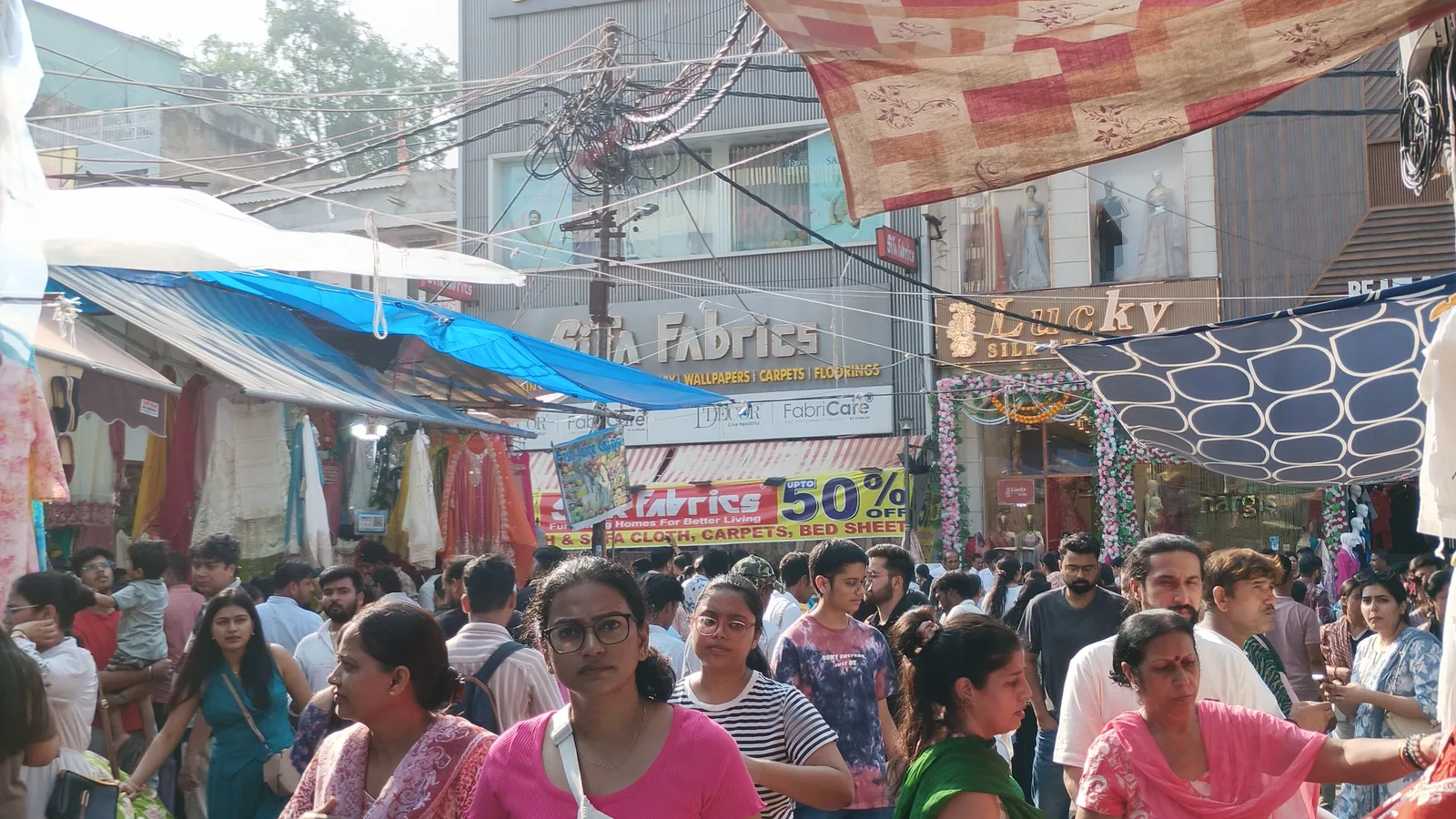
For a visitor, the biggest challenge in India is usually not crime. It is the sheer volume of stimulus: the noise, the traffic, the crowds, the smells and a pace you have to get used to. On top of that come the practical matters — the hygiene of food and water, and roads that look like organised chaos. All of it is manageable, and managing it is precisely the point of travelling in organised form, with vetted transport, vetted hotels and someone looking after you on the ground.
What to really expect
It helps to set out with a realistic picture of the country. Then what you feel on arrival is delight rather than stress:
- Warmth from people. Indians are generally hospitable and genuinely curious about visitors — do not be surprised if someone asks to take a photograph with you.
- Intensity. Big cities are loud and crowded. That is part of the experience, not a reason for concern.
- Touts and street sellers. At tourist sites you will meet vendors and self-appointed "guides". A polite but firm refusal is enough — and with a tour leader the problem largely vanishes.
- Traffic. It looks chaotic, which is why our trips use private, air-conditioned transport with an experienced driver.
What if my English is limited?
This is one of the most common worries, and one of the strongest arguments for an organised trip. You do not need to negotiate anything yourself. On a trip with a tour leader, all communication with hotels, guides, drivers and airport staff is handled for you. For many of our travellers this is the deciding factor: the reassurance that someone is beside you the whole way.
First time in India? That is exactly who our small-group trips are built for — vetted hotels, private transport and someone beside you from the first day to the last.
See our toursFood and health
Indian cooking is one of the great pleasures of the journey, and stomach trouble is easy to avoid if you stick to a few rules:
- Drink bottled water only, and check the seal is unbroken. Use it for brushing your teeth too.
- Choose dishes prepared fresh and served hot; avoid anything that has been standing.
- Be careful with ice, raw salads and washed vegetables from uncertain sources.
- Peel fruit yourself.
- Bring a basic travel medical kit and any medication you take regularly.
Important: always discuss vaccinations and health precautions with a travel medicine clinic. They will advise what is appropriate for you and for the region you are visiting. We cover this in more detail in our guide to vaccinations and a travel medical kit.
Ten rules for a calm trip through India
- Keep documents and cash in more than one place; carry digital copies of your passport and visa.
- Dress modestly in temples and places of worship — shoulders and knees covered.
- Take your shoes off where custom requires it.
- Photograph people only with their consent.
- Do not display expensive equipment in crowds.
- Agree a price before using any service outside the programme.
- Stay with the group and keep to the agreed meeting points.
- Carry your tour leader's number and the hotel address.
- Drink plenty of water and protect yourself from the sun.
- Trust your operator. That is what they are there for.
Women travelling in India
This question comes most often from the women asking it, and it deserves a separate, honest answer. On an organised trip, India is a safe destination for women — that is our experience across group after group. It does not mean there are no rules.
What genuinely helps:
- Modest dress — shoulders and knees covered. This is not about an imposed rule but about blending in: the less your clothing stands out, the less attention it draws.
- Do not walk alone after dark — particularly on poorly lit streets and empty beaches. That rule applies in many parts of the world, not only here.
- Private transport rather than vehicles flagged down in the street — on our routes you travel in the same car with the same driver throughout.
- A calm, firm refusal is enough with persistent vendors. There is no need to be polite at the cost of your own comfort.
- Requests for a photograph together are common in India and usually harmless — but you are entirely free to decline, and nobody will make an issue of it.
In many places — on the metro, in queues, at security checks — there are separate women's lanes and carriages. They are convenient and worth using.
Scams — the specific patterns worth knowing
These are not horror stories but repeatable patterns that almost every independent traveller runs into. With a tour leader they simply have no opening, but they are worth recognising:
- "Your hotel is closed / burnt down" — a rickshaw or taxi driver claims your hotel is out of business and offers another. He has a commission from the second one. Call the hotel and check.
- The fake tourist office — near stations and airports, outfits posing as official tourist information sell inflated "packages".
- Gemstones — an offer to buy jewels you will supposedly resell at a profit back home. A classic, mostly in Jaipur. The stones are worthless.
- The "free" bracelet or flower — pressed on you at a religious site, followed by a demand for payment. Politely decline to accept anything.
- Short change, or a claim that you handed over a smaller note than you did. Pay with exact amounts where you can.
Traffic and road travel
Statistically, traffic is the most serious real risk to a visitor in India — more so than crime or exotic disease. Road rules are treated loosely, horns do the work of mirrors, and trucks, motorbikes, rickshaws and cows share the same carriageway.
The practical conclusions are simple:
- Do not rent a scooter or self-drive car unless you have experience of traffic like this. It is the most common cause of accidents among tourists.
- Avoid overnight intercity drives — poor visibility and tired drivers are a bad combination. We plan routes so that longer stretches are covered in daylight.
- Wear seatbelts, in the back as well. It is not a given in India, but it is in our vehicles.
- Crossing the street, stay with locals and walk at a steady, predictable pace — drivers will go around you as long as you do not suddenly turn back.
Regions that are avoided
Honestly: India is the size of a continent and the situation is not uniform. There are areas simply not visited by tourists — parts of the states along the Pakistani border, some north-eastern regions, and selected rural areas in the centre where local conflicts persist.
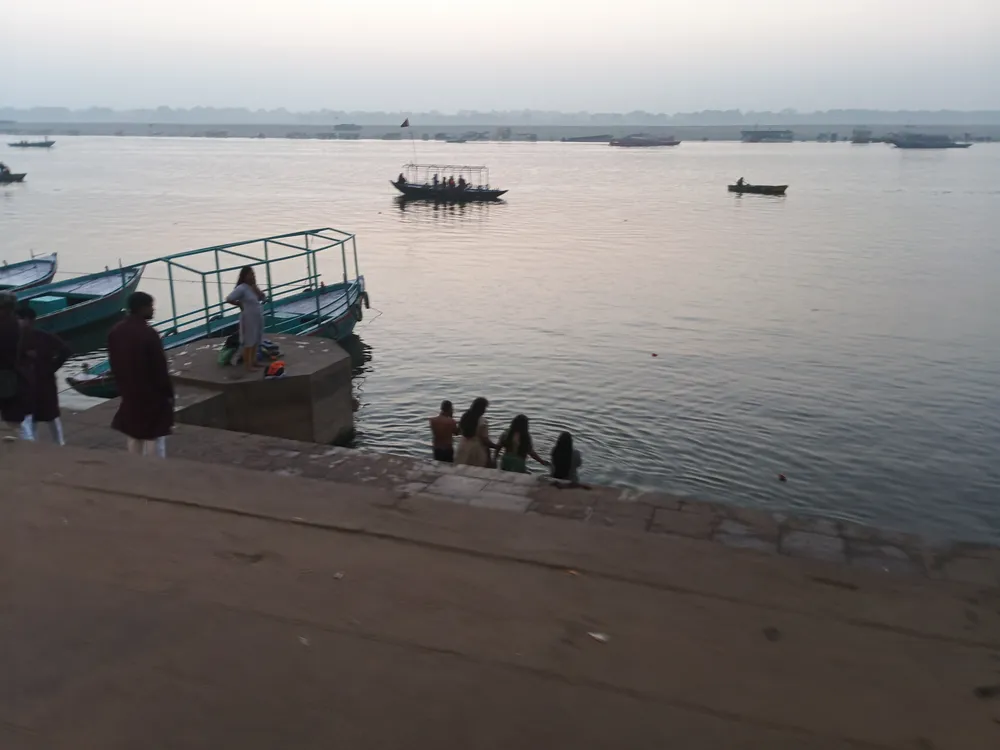
For a traveller this means very little, because no classic tourist route includes them. The Golden Triangle, Rajasthan, Varanasi, Goa, Kerala, the tourist areas of Kashmir and Ladakh all have established tourism infrastructure and a constant international presence.
Before any trip it is worth checking your own government's current travel advice for India — it is free, takes a minute, and is the only fully up-to-date source. We follow it continuously and adjust routes if needed.
What to do if something does happen
Rarely, but it happens: a lost passport, a stolen wallet, a health problem. The order of operations:
- Tell your tour leader — immediately, whatever the hour. That is what they are there for; they know the procedures and speak both languages.
- File a police report — for theft you need the report, or your insurer will not pay out.
- Contact your insurer — keep the emergency number in your phone and on paper, in case the phone is what went missing.
- Your embassy in New Delhi — issues emergency travel documents if a passport is lost. Keep a copy of your passport in the cloud; it speeds things up considerably.
- Cancel your cards — keep those numbers separate from your phone too.
First time in India? These trips are built precisely for that — vetted hotels, private transport and someone beside you from the first day to the last.
See our toursWhy an organised trip is simply easier
You can certainly travel India independently. But for many people, particularly on a first visit, an organised trip turns stress into comfort. Someone knows the roads, knows the people, knows the customs and speaks your language.
At Lotus Tours & Travel the programme on the ground is delivered by Abyss Tours, a licensed Indian agency with more than twenty years of experience and certification from the Indian Ministry of Tourism. Traveller support, including tour leadership for groups, comes from our side. We are available before you leave and throughout the trip, so that you can concentrate on what actually matters: the experience.
Frequently asked questions
Is India safe for women travellers?
On an organised trip, with vetted hotels, private transport and a tour leader, yes. Dress modestly, avoid walking alone after dark, and keep to the group and the agreed meeting points. Those are the same rules that apply in many parts of the world.
Will I get an upset stomach?
Not necessarily. Most problems come from water and from food that has been standing. Drink bottled water with an unbroken seal, eat food served freshly and hot, and be careful with ice and raw salads. Follow those and the risk drops sharply.
Do I need to speak English?
Not on a trip with a tour leader. All communication with hotels, guides, drivers and airport staff is handled for you. You are there to enjoy the journey, not to negotiate at a check-in desk.
What about traffic and road safety?
Indian traffic looks chaotic to a newcomer, which is exactly why our trips use private air-conditioned transport with an experienced driver rather than local taxis flagged down in the street.
Are the touts at tourist sites a problem?
They are persistent rather than dangerous. A polite, firm no is enough — and with a tour leader beside you the issue largely disappears.
Should I carry cash or cards?
Both. Cards work in hotels and larger restaurants, but cash is useful at markets and for tips. Keep it split between a few places rather than all in one wallet.